Gut Health Optimization in Dallas & Las Colinas
Advanced gut health evaluation and treatment for patients in the Dallas, DFW, and Las Colinas area. We address the root causes of digestive dysfunction, hormonal imbalance, inflammation, and metabolic disruption.

Schedule a Free Consultation with Our New Patient Coordinator:
Or fill in the Inquiry Form below, and we will contact you.
Why Gut Health Matters for Your Overall Health
Your gut does far more than digest food. It regulates immune function, produces key neurotransmitters, influences hormone balance, and plays a central role in controlling inflammation throughout the body.
Recent research has made the connection increasingly clear: when the gut is out of balance, the effects are felt across nearly every system in the body.
Chronic gut dysfunction has been linked to:
- hormonal disruption
- metabolic disease
- autoimmune conditions
- depression
- cognitive decline
For patients in Dallas and the Las Colinas area who have been dealing with persistent, unexplained symptoms, gut health is often a missing piece of the clinical picture.
What is the Gut Microbiome?
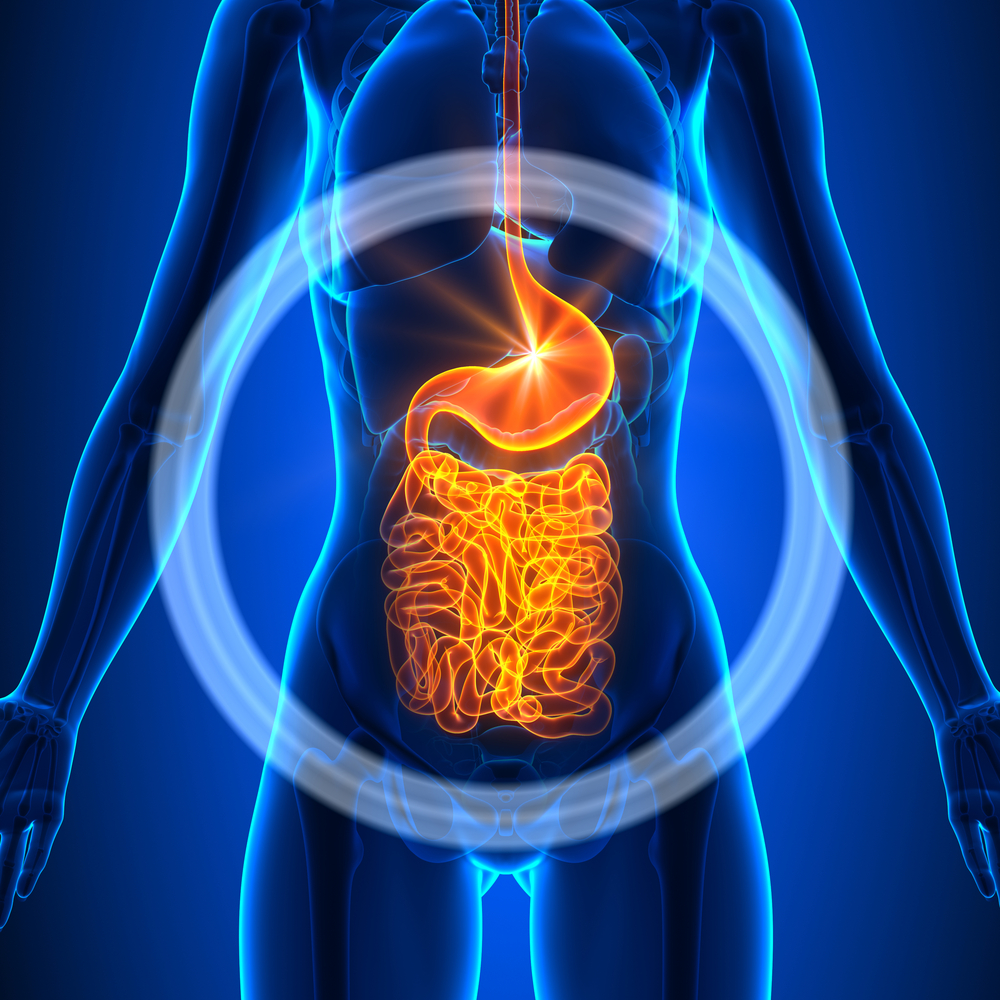
The gut—which encompasses the entire digestive tract from mouth to colon—contains an estimated 10 to 100 trillion microbial cells. This community of bacteria, fungi, and other microorganisms is called the gut microbiome.
The microbiome plays a critical role in nutrient absorption, immune defense, and hormonal regulation. When the balance of beneficial to harmful bacteria is healthy, these systems function well. When the balance is disrupted through poor diet, chronic stress, antibiotic use, or inadequate sleep, the effects can be wide-ranging and difficult to trace without proper testing.
Signs Your Gut May Be Out of Balance
Gut imbalance often presents with symptoms that seem unrelated to digestion. Common signs include:
- Bloating, gas, or irregular bowel habits
- Acid reflux or heartburn
- Food sensitivities
- Sugar cravings
- Skin issues such as rashes or eczema
- Low mood or depression
- Brain fog or difficulty concentrating
- Fatigue that does not improve with rest
- Vitamin D or B12 deficiency
- Hormonal imbalances
- Compromised immune function
- Chronic inflammation
Left unaddressed, chronic gut imbalance, known as dysbiosis, can contribute to more serious conditions, including hypothyroidism, insulin resistance, fatty liver disease, chronic fatigue syndrome, fibromyalgia, cardiovascular disease, and autoimmune disorders.
The Gut-Hormone Connection
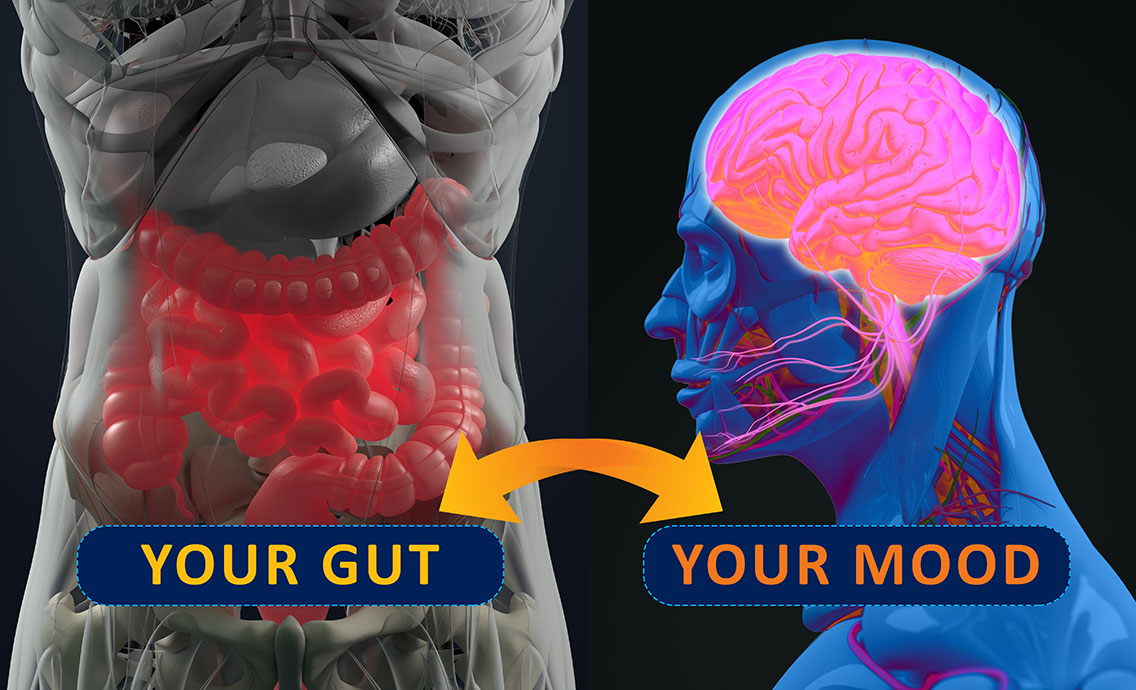 Gut health and hormone balance are closely intertwined. When the microbiome is disrupted, hormones are often the first casualty.
Estrogen
A specialized group of gut bacteria—sometimes called the estrobolome—plays a key role in metabolizing and regulating estrogen levels. When this microbial balance is disrupted, estrogen can accumulate or fall too low, contributing to conditions such as PCOS, endometriosis, and estrogen dominance.
Serotonin
Approximately 95% of the body’s serotonin is produced and stored in the gut. This helps explain why patients with poor gut health so frequently experience depression, anxiety, and mood instability.
Thyroid
An imbalanced gut microbiome is a recognized contributor to hypothyroidism. Gut inflammation can impair the conversion of thyroid hormones, leading to symptoms such as fatigue, weight gain, and hair loss, even when standard thyroid labs appear normal.
Insulin
Certain beneficial gut bacteria play a role in insulin regulation. Chronic gut inflammation and microbiome imbalance can worsen insulin resistance, contributing to metabolic dysfunction and weight gain.
Vitamin D
Vitamin D functions as a prohormone and is essential for immune regulation, bone health, and mood stability. Poor gut health impairs vitamin D absorption, and chronic deficiency is common in patients with gut imbalance.
Cholesterol and Sex Hormones
Gut health also influences healthy cholesterol metabolism. Because cholesterol is a precursor to progesterone and estrogen, gut dysfunction can ripple through the entire hormonal system.
Common Causes of Gut Imbalance
 The most significant contributors to an unhealthy gut microbiome include:
- A diet high in sugar, processed foods, and refined carbohydrates
- Excessive alcohol consumption
- Frequent or prolonged antibiotic use
- Chronic stress
- Inadequate sleep
- Overuse of non-steroidal anti-inflammatory medications (NSAIDs)
Over time, these factors can lead to a condition known as increased intestinal permeability—sometimes called leaky gut—in which the gut wall allows toxins and harmful bacteria to enter the bloodstream, triggering systemic inflammation and hormonal disruption.
Gut Health Testing at Forum Health Las Colinas
At our Las Colinas clinic, we take a science-based approach to identifying the root cause of gut dysfunction. We do not rely on symptom management alone.
Testing may include:
- Comprehensive stool analysis to evaluate microbial balance, inflammation, and digestive function
- Gastrointestinal testing for bacterial overgrowth, parasites, and fungal imbalance
- Food sensitivity testing to identify dietary triggers
- Nutritional testing to assess for deficiencies in key vitamins and minerals
- Inflammatory markers, including CRP and other metabolic indicators
Test results are reviewed in the context of your full symptom picture and health history. This allows us to build a treatment plan that addresses the specific imbalances driving your symptoms, not a generic protocol.
Learn more:
Treatment and Support
If gut imbalance is identified, your treatment plan is personalized and medically supervised. Depending on your evaluation, it may include:
- Targeted probiotic and prebiotic therapy
- Pharmaceutical-grade supplementation based on your lab results
- Anti-inflammatory nutritional guidance
- Gut-supportive dietary protocols
- Strategies to reduce intestinal permeability
- Hormone optimization, if gut dysfunction is contributing to hormonal imbalance
- Ongoing monitoring and follow-up
Schedule a Free Consultation with Our New Patient Coordinator:
Or fill in the inquiry form below, and we will contact you.
Lifestyle Support for Gut Health
 Alongside clinical treatment, the following lifestyle practices support microbiome restoration and long-term gut health:
- Eat a nutrient-rich, anti-inflammatory diet with plenty of fibrous vegetables and fruits
- Consume probiotic-rich foods such as yogurt, kefir, sauerkraut, and kimchi
- Include prebiotic foods, such as asparagus, garlic, onions, oats, and chia seeds, to feed beneficial bacteria
- Eliminate or significantly reduce sugar, simple carbohydrates, and trans fats
- Use antibiotics only when necessary, and support the microbiome with probiotics during and after any course of treatment
- Avoid artificial sweeteners, which have been shown to promote harmful bacterial growth
- Drink adequate water to support the gut lining and overall digestive function
These are supportive measures, not substitutes for clinical care. If you have been dealing with persistent gut or hormonal symptoms, proper testing is the most important first step.
Gut Health Is Part of a Whole-Body Strategy
At Forum Health Las Colinas, gut health optimization is integrated into our broader functional medicine approach. For many patients in Dallas and Las Colinas, addressing gut dysfunction is a key step in resolving hormone imbalances, metabolic issues, and chronic symptoms that have not responded to conventional treatment.
Our providers use comprehensive lab work to identify imbalances in hormones, vitamin levels, inflammation markers, and gut function, giving you a clear picture of what is happening in your body and a personalized plan to address it.
Learn more:
Start with a Free Phone Consultation

If you are dealing with persistent digestive symptoms, hormonal imbalance, low energy, or chronic inflammation—and you are based in Dallas, DFW, or Las Colinas—we are here to help.
Contact our New Patient Coordinator for a free phone consultation. Our coordinator can explain our approach, answer your questions, and help you take the next step toward better health.
Or complete the form below.
Contact Us
"*" indicates required fields